
The Great AI Purge: Why Tech Platforms Are Finally Starting to Fight AI Slop
YouTube and Spotify have started aggressively clearing AI generated content from their platforms.
Spotify deleted 75 million AI-generated tracks, targeting accounts uploading mass-produced AI audio designed to game streaming royalties. YouTube introduced stricter moderation policies aimed at sweeping away low-quality, automated video generation – known to you and me as AI Slop.
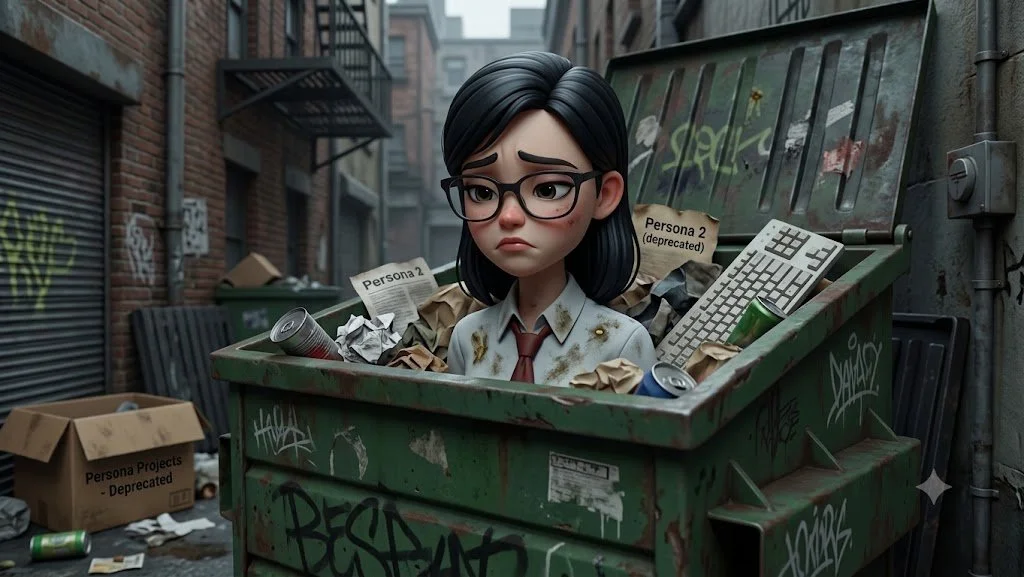
These purges are a positive step for digital media ecosystems. For two years, platforms allowed automated content to flood recommendations under the guise of creator accessibility. That experiment has failed.
The platforms are acting in part because public sentiment toward unrefined AI content has hit a breaking point. While brands and platforms heavily integrated generative AI into their workflows, audience tolerance collapsed.
Recent research confirms the extent of consumer detachment:
Social Media Fatigue: A Q1 2026 Sprout Social Pulse Survey revealed that 50% of Gen Z users have muted, unfollowed, or blocked accounts specifically because they suspected the content was AI-generated.
The Identification Drop-off: Data from a 2026 Ahrefs and Semrush industry analysis showed that while 73% of consumers accept AI tools generally, 52% actively disengage from content the moment they identify it as synthetic.
The Trust Deficit in Marketing: Research from Klaviyo shows that 39% of consumers trust a brand less if it uses AI-generated content in its outreach, while 88% report that AI video generation tools have directly decreased their trust in social media content.
But let’s be very clear, YouTube and Spotify are not cleaning up their platforms out of artistic goodwill; they are doing it to protect their core business models.
When a platform becomes saturated with slop, user engagement drops. If a user has to scroll past ten AI-generated nursery rhymes on YouTube or skip dozens of synthetic ambient noise tracks on Spotify, the value of the platform breaks down. Advertisers stop paying premium rates for placement next to low-effort slop, and users cancel subscriptions.
It’s worth noting that Spotify have also made clear that they aren’t removing/banning AI generated tracks. They are purely focussed on those tracks that are gaming the royalties system.
The takeaway for businesses is straightforward. Automated output offers speed, but it erodes audience trust. Mass-producing unrefined AI copy, audio, or video turns your brand into the exact slop these platforms are actively purging.
High-performing digital strategies still rely on human direction, original perspective, and distinct brand voice.
