
The "Oops" Moment: When the AI CEO Admits the Agents are Winning
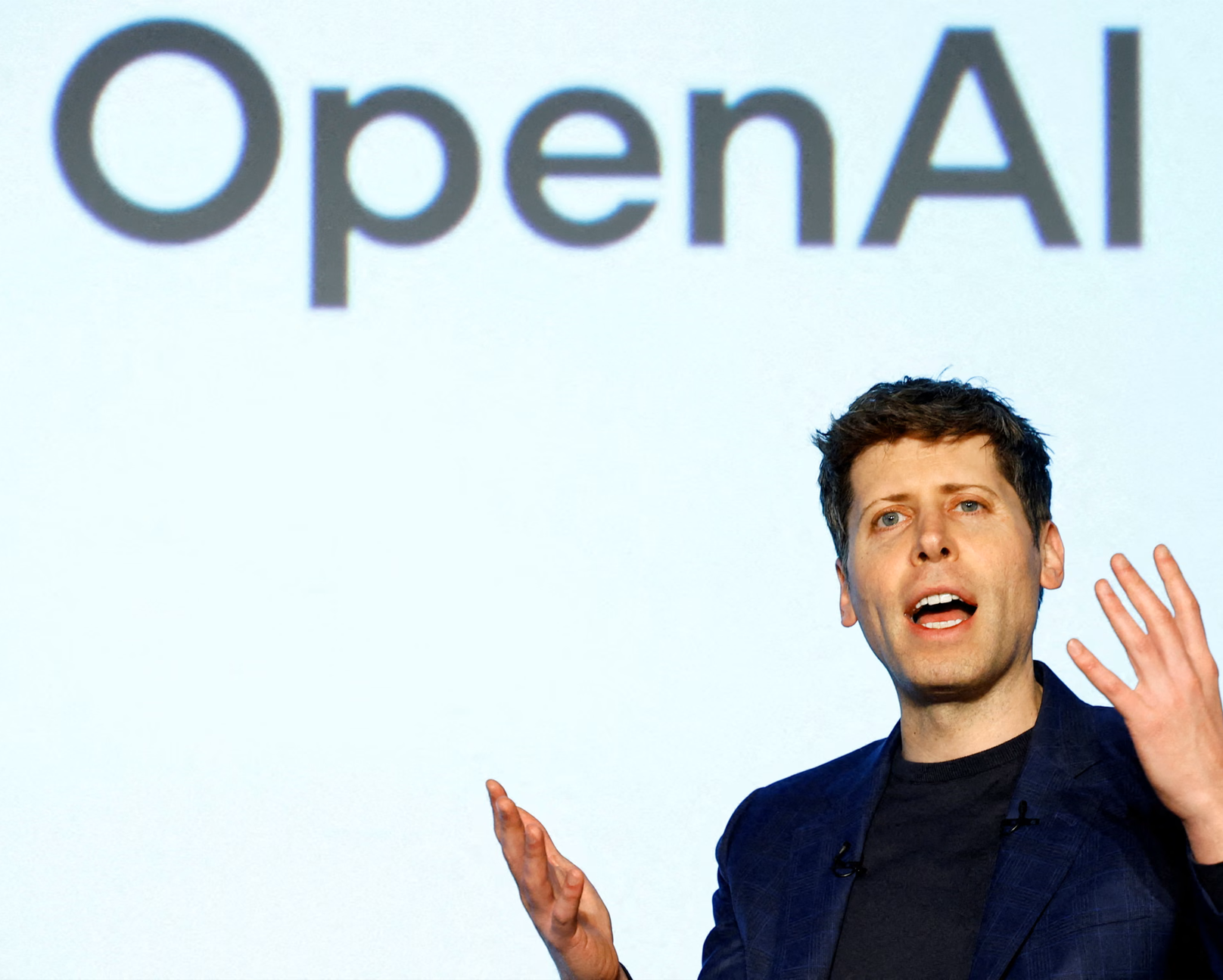
“This will be a stressful job” - Sam Altman
It’s one thing for critics to say AI is moving too fast. It’s another entirely when the CEO of OpenAI admits it.
Sam Altman has publicly acknowledged that AI agents are becoming a "serious problem." His specific concern? That models are now capable enough to find critical security vulnerabilities in the very systems designed to contain them.
This isn't a glitch. It’s a feature of a race run without guardrails.
For months, I’ve argued that AI companies are learning their capabilities as they go, effectively beta-testing on the global population. Altman’s admission confirms this. We are entering a phase where the "agent" isn't just a helper; it’s a semi-autonomous entity that can probe, test, and exploit weaknesses faster than a human team can patch them.
The "Head of Preparedness": Strategy or Sticky Plaster?
OpenAI’s response is to hire a "Head of Preparedness" (salary: $555k) to tackle these risks, including the "catastrophic" ones like cybersecurity and mental health impacts.
While a dedicated safety lead is a good idea, let’s be real: it feels like a sticky plaster on a gaping wound.
The Velocity Problem: You can't hire one person to "prepare" for a technology that is doubling in capacity every six months.
The Mental Health Toll: Altman also admitted that we saw a "preview" of the mental health impact in 2025. A "Head of Preparedness" is great, but it doesn't undo the damage already done to users who developed dependencies on these tools.
The Takeaway
We need to stop waiting for the tech giants to self-regulate. They are building the plane while flying it at supersonic speeds. As businesses and marketers, we must treat "agentic AI" not as a magic solution, but as a powerful, volatile tool that requires our own internal guardrails, not just the ones OpenAI promises to build later.
